Mastering the Plywood Hydraulic Press : Enhancing Efficiency and Productivity
Hydraulic presses for plywood presses are essential to many sectors, as they optimize productivity and transform industrial processes. These sturdy devices use hydraulic force to press plywood sheets, providing an economical and effective solution for a wide range of uses.

Understanding the Mechanics of a Plywood Hydraulic Press
*How Does a Plywood Hydraulic Press Work?
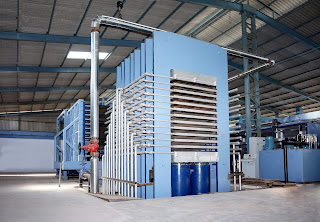
Hydraulic pressure is the fundamental operating mechanism of a plywood hydraulic press. It is made up of several parts, such as hydraulic fluids, cylinders, and a sturdy structure, which enable it to apply a great deal of pressure to plywood sheets.
Investigating a Plywood Hydraulic Press's Components
The hydraulic pump, hydraulic cylinders, and control valves are among the essential parts that cooperate to deliver force uniformly throughout the plywood surface, causing consistent compression and bonding.
Advantages of Using a Plywood Hydraulic Press
*Durability and Strength
Hydraulic presses for plywood guarantee the production of sturdy and resilient plywood sheets. Long-lasting products are enhanced by the uniform distribution of pressure, which also reduces vulnerabilities and increases strength.
Efficiency and Cost-effectiveness
These presses greatly cut production times and operating expenses by streamlining manufacturing procedures. Their ability to produce high-quality plywood with efficiency makes them a preferred option across several sectors.
Factors to Consider When Choosing a Plywood Hydraulic Press
*Size and Capacity
It is essential to choose the right size and capacity in accordance with production requirements. Enhancing productivity and efficiency requires an understanding of workload requirements.
Needs for Power and Pressure
Evaluating the power and pressure requirements guarantees optimal performance by ensuring compatibility with the materials to be treated.
Maintenance Tips for Plywood Hydraulic Presses
*Regular Inspection and Lubrication
Frequent inspections and appropriate lubrication of parts avert wear and tear, extending the life of the press and preserving reliability of operation.
Taking Safety Measures
Following safety procedures is essential to averting mishaps. Press operation risks are reduced by appropriate training and attention to safety protocols.
Conclusion
Understanding plywood presses' mechanics, taking use of benefits, choosing the best press, and maintaining rigorous maintenance are all necessary to become proficient with them. These devices are catalysts for effectiveness, robustness, and innovation rather than only being instruments.



Comments
Post a Comment